This model is the NF4 quantized version of the model: https://huggingface.co/inclusionAI/Ming-Lite-Omni-1.5, it can be directly loaded using the official demo code, let the project can be perform inference testing and learning research on a 24GB consumer GPU.
Here is only the quantized weights of the main model part. Other parts such as: connector / mlp / talker / transformer / vae, please download from the official repo, and the transformer part can also be quantized as needed.
Ming-lite-omni v1.5 is a comprehensive upgrade to the full-modal capabilities of Ming-lite-omni. It significantly improves performance across tasks including image-text understanding, document understanding, video understanding, speech understanding and synthesis, and image generation and editing. Built upon Ling-lite-1.5, Ming-lite-omni v1.5 has a total of 20.3 billion parameters, with 3 billion active parameters in its MoE (Mixture-of-Experts) section. It demonstrates highly competitive results in various modal benchmarks compared to industry-leading models.
📌 Updates
[2025.07.15] 🔥 We release Ming-lite-omni v1.5 with significant improvements across all modalities.
Compared to Ming-lite-omni, Ming-lite-omni v1.5 features key optimizations in the following 3 areas:
Enhanced Video Understanding—MRoPE & Curriculum Learning: Ming-lite-omni v1.5 significantly improves video understanding through MRoPE's 3D spatiotemporal encoding and a curriculum learning strategy for handling long videos, enabling precise comprehension of complex visual sequences.
Refined Multi-modal Generation-Consistency & Perception Control: Ming-lite-omni v1.5 offers superior generation, featuring dual-branch image generation with ID & Scene Consistency Loss for coherent editing, and perception enhancement for detailed visual control. Its new audio decoder and BPE encoding also deliver high-quality, real-time speech synthesis.
Comprehensive Data Upgrades-Broadened & Refined fine-grained Data: Ming-lite-omni v1.5's capabilities are built on extensive data upgrades, including new structured text data, expanded high-quality product information, and refined fine-grained visual and speech perception data (including dialects). This provides a richer, more accurate foundation for all modalities.
Evaluation
In various modality benchmark tests, Ming-lite-omni v1.5 demonstrates highly competitive results compared to industry-leading models of similar scale.
Image-text Understanding
Ming-lite-omni v1.5 shows significant improvements in general image-text understanding, visual object localization, and universal object recognition capabilities, providing a more powerful base model for a wide range of visual applications.
Ming-lite-omni v1.5 generally performs on par with Qwen2.5-VL-7B in complex document understanding tasks. Notably, it achieves SOTA results among models under 10B parameters on OCRBench, which focuses on text-visual understanding, and on ChartQA, which requires in-depth chart visual analysis and logical reasoning.
Task Type
dataset
Qwen2.5-VL-7B
Ming-lite-omni v1
Ming-lite-omni v1.5
OCR Understanding
ChartQA_test
87.24
85.1
88.84
DocVQA_test
95.57
93.0
93.68
TextVQA_val
85.06
82.8
82.27
OCRBench
87.8
88.4
88.90
Average
88.91
87.32
88.42
Document Analysis
OmniDocBench↓ en/zh
30.8/39.8
34 /34.4
34.9/34.9
OCR Comprehensive Capability
OCRBenchV2 en/zh
56.3/57.2
53.3/52
52.1/55.2
Video Understanding
Ming-lite-omni v1.5 achieves a leading position among models of its size in video understanding tasks.
Benchmark
Qwen2.5-VL-7B
Qwen2.5-Omni-7B
InternVL3-8B
Ming-lite-omni v1.5
VideoMME(w/o subs)
65.10
64.30
66.30
67.07
VideoMME(w/ subs)
71.60
72.40
68.90
72.59
VideoMME(avg)
68.35
68.35
67.60
69.83
MVBench
69.60
70.30
75.40
69.43
LongVideoBench
56.00
54.82
58.80
59.54
OvOBench
51.10
50.46
51.91
52.17
Speech Understanding
Ming-lite-omni v1.5 further improves upon Ming-lite-omni in speech understanding. It supports English, Mandarin, Cantonese, Sichuanese, Shanghainese, Minnan, and other dialects, maintaining an industry-leading position in open-source English and Mandarin ASR (Automatic Speech Recognition) and Audio QA (Question Answering) tasks.
ASR Task
Model
Average on All/Open-source Benchmarks(↓)
aishell1
aishell2_test_android
aishell2_test_ios
cv15_zh
fleurs_zh
wenetspeech_testmeeting
wenetspeech_testnet
librispeech_test_clean
librispeech_test_other
multilingual_librispeech
cv15_en
fleurs_en
voxpopuli_v1.0_en
speechio_leaderboard
dialect_hunan
dialect_minnan
dialect_guangyue
dialect_chuanyu
dialect_shanghai
noisy_jrgj
zxb_chat
zxb_govern
zxb_health
zxb_knowledge
zxb_local_live
Ming-lite-omni-1.5
4.67(+0.15)/3.83(+0.05)
1.3
2.47
2.46
5.66
2.87
6.19
5.24
1.25
2.61
4.14
6.95
3.28
6.43
2.81
6.96
12.74
3.7
3.8
9.95
10.9
2.6
1.77
2.97
3.41
1.88
Ming-lite-omni
4.82/3.88
1.47
2.55
2.52
6.31
2.96
5.95
5.46
1.44
2.80
4.15
6.89
3.39
5.80
2.65
7.88
13.84
4.36
4.33
10.49
11.62
2.34
1.77
3.31
3.69
2.44
Qwen2.5-Omni
8.81/ 4.37
1.18
2.75
2.63
5.2
3.0
5.9
7.7
1.8
3.4
7.56
7.6
4.1
5.8
2.54
29.31
53.43
10.39
7.61
32.05
11.11
3.68
2.23
4.02
3.17
2.03
Qwen2-Audio
12.34 / 5.41
1.53
2.92
2.92
6.9
7.5
7.16
8.42
1.6
3.6
5.40
8.6
6.90
6.84
-
25.88
123.78
7.59
7.77
31.73
-
4.29
2.70
4.18
3.33
2.34
Kimi-Audio
12.75/4.42
0.60
2.64
2.56
7.21
2.69
6.28
5.37
1.28
2.42
5.88
10.31
4.44
7.97
2.23
31.93
80.28
41.49
6.69
60.64
24.40
2.96
2.03
2.38
1.98
2.05
Speech QA Task
Model
Average(Open-ended QA)
AlpacaEval
CommonEval
SD-QA
MMSU
OpenBookQA
IFEval
AdvBench
Ming-lite-omni v1.5[omni]
4.474(+0.134)
4.648
4.3
61.16
45.77
65.934
55.599
98.076
Ming-lite-omni[omni]
4.34
4.63
4.06
58.84
47.53
61.98
58.36
99.04
MiniCPM-o [omni]
4.285
4.42
4.15
50.72
54.78
78.02
49.25
97.69
Kimi-Audio [audio]
4.215
4.46
3.97
63.12
62.17
83.52
61.10
100.00
Qwen2.5-Omni [omni]
4.21
4.49
3.93
55.71
61.32
81.10
52.87
99.42
GLM-4-Voice [audio]
3.77
4.06
3.48
43.31
40.11
52.97
24.91
88.08
Qwen2-Audio-chat [audio]
3.545
3.69
3.40
35.35
35.43
49.01
22.57
98.85
Step-Audio-chat [audio]
3.49
3.99
2.99
46.84
31.87
29.19
65.77
86.73
Speech Generation
Ming-lite-omni v1.5 shows significant improvement over Ming-lite-omni in English and Mandarin voice cloning tasks.
Model
seed-tts-eval-zh_wer
seed-tts-eval-zh_sim
seed-tts-eval-en_wer
seed-tts-eval-en_sim
Seed-TTS
1.11
0.796
2.24
0.762
MaskGCT
2.27
0.774
2.62
0.714
E2 TTS
1.97
0.730
2.19
0.710
F5-TTS
1.56
0.741
1.83
0.647
CosyVoice 2
1.45
0.748
2.57
0.652
Qwen2.5-Omni-7B
1.70
0.752
2.72
0.632
Ming-lite-omni
1.69
0.68
4.31
0.509
Ming-lite-omni v1.5
1.93
0.68
3.75
0.54
Image Generation
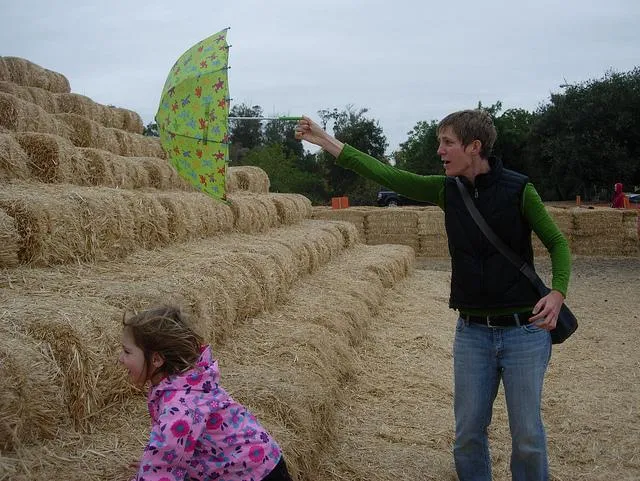
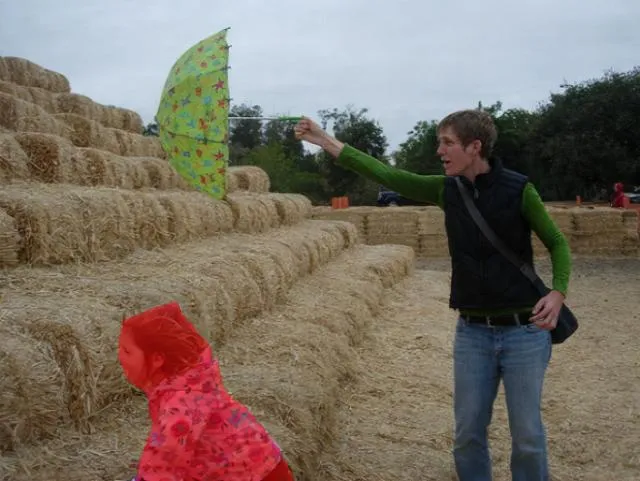
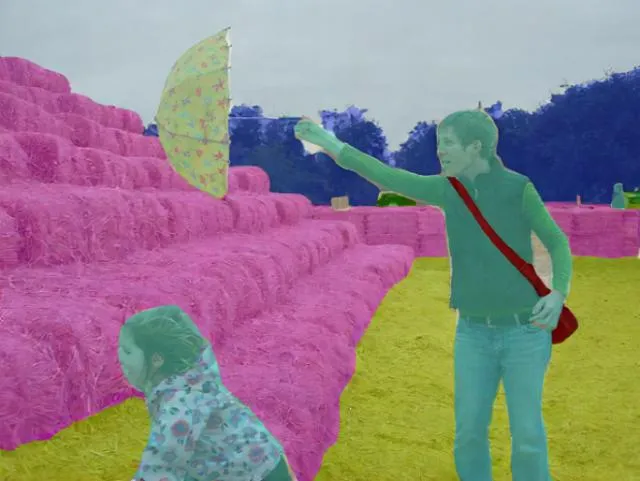
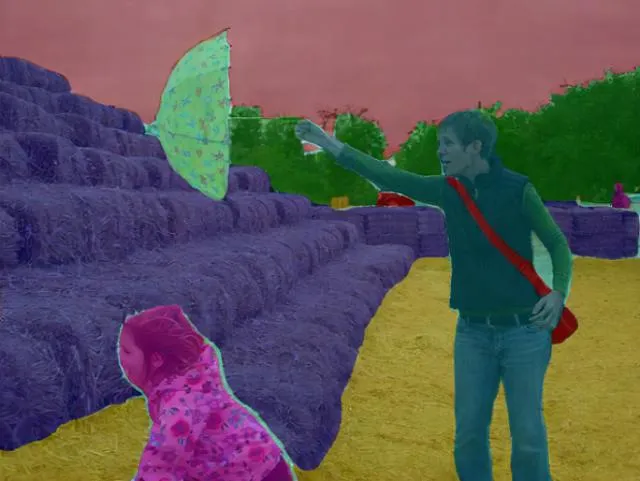
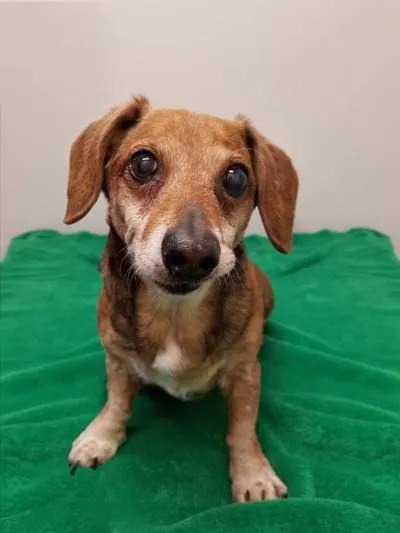
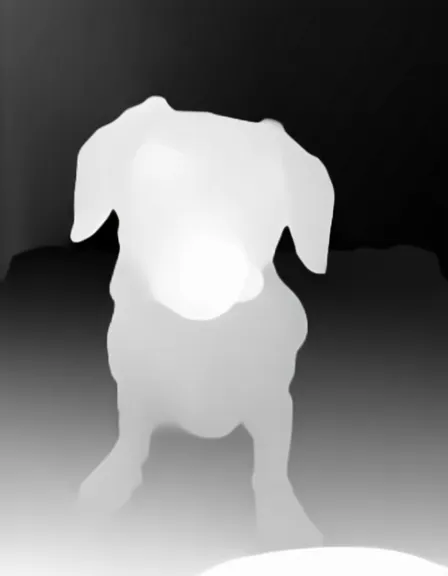
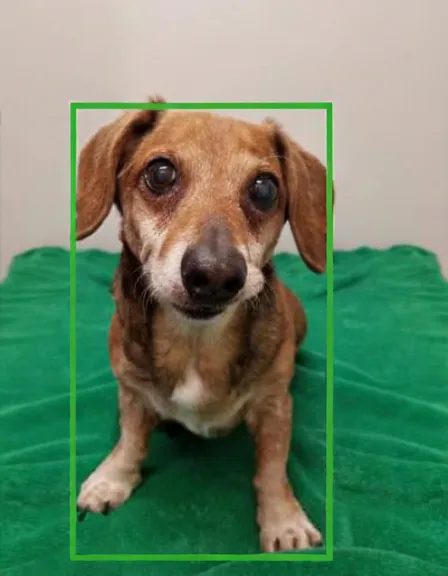
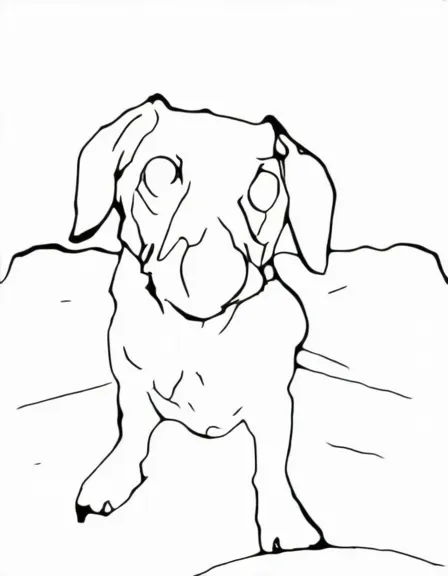
Ming-lite-omni v1.5 demonstrates significant advantages in maintaining scene and person ID consistency during human image editing. It also expands its support for perception tasks such as generative segmentation, depth prediction, object detection, and edge contour generation.
Gen-eval
1-Obj
2-Obj
Counting
Colors
Position
Color Attr
Avg.
Ming-lite-omni
0.99
0.77
0.68
0.78
0.46
0.42
0.64
Ming-lite-omni v1.5
0.99
0.93
0.86
0.87
0.90
0.66
0.87
Human image editing
prompt
ours
Qwen-VLo
Make the person in the image smile slightly without altering the original structure
Generative segmentation
input
Segmentation
Semantic Segmantation
Panoptic Segmentation
prompt: Given the following instructions: little girl, pink, your monitors colors off friend p pink shirt girl; please perform referring segmentation on this image.
prompt: Please segment different classes in this image
prompt: Please segment different instances in this image.
Edge contour generation
Input
Depth Map
Detection Box
Contour
Model Downloads
You can download our latest model from both Huggingface and ModelScope. For previous version model like Ming-Lite-Omni v1, Please refer to this link.
At last, start the container with the current repo directory mounted:
docker run -it --gpus all -v "$(pwd)":/workspace/Ming ming:py310-cu121 ming:py310-cu121 /bin/bash
You can run the model with python interface. You may download the huggingface model in the repo directory first (.../Ming/) or mount the downloaded model path when starting the container.
Example Usage
We provide a step-by-step running example:
Step 1 - Download the source code
git clone https://github.com/inclusionAI/Ming.git
cd Ming
Step 2 - Download the model weights and create a soft link to the source code directory
Note: We test the examples on hardware of NVIDIA H800-80GB/H20-96G with CUDA 12.4. Loading inclusionAI/Ming-Lite-Omni-1.5 in bfloat16 takes about 42G GPU memory.
Gradio Demo
We provide a graphical user interface based on Gradio to facilitate the use of Ming-lite-omni.
Install Gradio dependencies
shell
1pip install gradio
2pip install gradio_client
Start the Gradio server
python gradio_demo.py
License and Legal Disclaimer
This code repository is licensed under the MIT License, and the Legal Disclaimer is located in the LEGAL.md file under the project's root directory.
Citation
If you find our work helpful, feel free to give us a cite.
bibtex
12@misc{Mingomni2025,
3 title = {Ming-Omni: A Unified Multimodal Model for Perception and Generation},
4 author = {Inclusion AI},
5 year = {2025},
6 eprint = {2506.09344},
7 archivePrefix = {arXiv},
8 url = {https://arxiv.org/abs/2506.09344}
9}